Period cramps (the medical name is dysmenorrhea) happen when the uterus tightens and squeezes to shed its lining each month. Chemicals called prostaglandins drive these contractions—and the more of them your body makes, the stronger the cramps. Many natural ingredients seem to work by calming inflammation or lowering prostaglandins, which is the same general idea behind common pain relievers like ibuprofen.
Below are the natural options with the most research behind them. None of these replace a doctor’s advice, but many women find them helpful—sometimes on their own, sometimes alongside other treatments.
Ginger
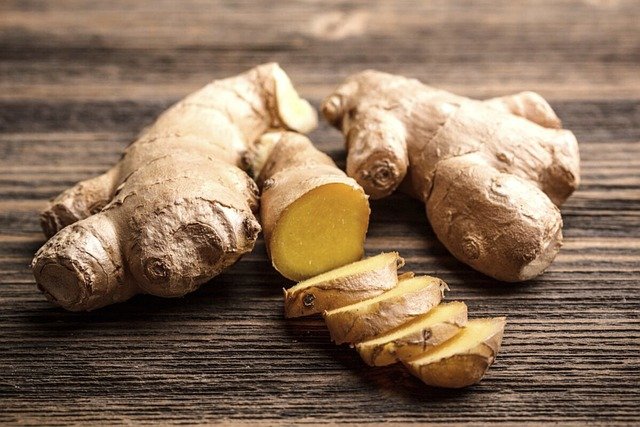
Ginger is one of the best-studied natural remedies for cramps. Reviews of many trials found that ginger reduced period pain better than a dummy pill, and worked about as well as anti-inflammatory pain relievers like ibuprofen (Moshfeghinia et al., Journal of Integrative and Complementary Medicine, 2024). It appears to lower prostaglandins, the same chemicals those medicines target.
How it’s usually taken: Around 750–2,000 mg of ginger powder daily, started at the beginning of your period and continued for the first 3 days (Rondanelli et al., Phytotherapy Research, 2020).
Chamomile
Chamomile, best known as a calming tea, has anti-inflammatory and mild antispasmodic effects that may soothe cramps. In studies included in a Cochrane review, chamomile eased period pain more than no treatment, and one trial found it worked at least as well as mefenamic acid, a prescription pain reliever (Pattanittum et al., Cochrane Database of Systematic Reviews, 2016). A review of several trials in about 1,000 women supported its benefit for both pain and bleeding (Cabada-Aguirre et al., Scientific Reports, 2023), and a more recent randomized, placebo-controlled trial of a chamomile beverage found it cut pain by more than half while also improving mood and sleep (Soh et al., Journal of Food and Drug Analysis, 2025). It’s usually taken as a tea during the days around your period. The overall evidence is still limited and comes mostly from small studies, so chamomile is best seen as a promising add-on rather than a proven cure.
Fennel
Fennel is a licorice-flavored herb with a long history of use for menstrual pain. In a review of clinical trials, fennel reduced cramp pain compared with placebo and worked about as well as mefenamic acid, a prescription pain reliever (Cabada-Aguirre et al., Scientific Reports, 2023). It’s often taken as an extract or tea during the first days of the period.
Cinnamon
Cinnamon may ease cramps and even reduce heavy menstrual bleeding and nausea. In one randomized trial, women taking cinnamon had less pain, lighter bleeding, and less nausea than those taking a placebo, with no reported side effects (Cabada-Aguirre et al., Scientific Reports, 2023). A larger review also found cinnamon shortened how long the pain lasted (Xu et al., Journal of International Medical Research, 2020).
Omega-3 Fatty Acids (Fish Oil)
Omega-3s, found in fish oil, help the body make fewer of the inflammatory chemicals that cause cramping. A review of randomized trials found omega-3 supplements produced a mild reduction in period pain (Mohammadi et al., European Journal of Clinical Pharmacology, 2022). Interestingly, lower doses seemed to work as well as or better than higher ones. Women who eat fish more often also tend to report less menstrual pain (Yokoyama et al., PLoS One, 2022).
Vitamin E
Vitamin E, an antioxidant, has shown benefit both on its own and combined with fish oil. In one trial, vitamin E and omega-3 each relieved menstrual pain better than placebo—and the combination worked best of all (Sadeghi et al., Gynecological Endocrinology, 2018). A dose of about 200 IU daily was used.
Vitamin B1 (Thiamine)
Vitamin B1 has some of the most striking older evidence. In studies included in a Cochrane review, women taking vitamin B1 had substantially lower pain scores than those on placebo (Pattanittum et al., Cochrane Database of Systematic Reviews, 2016). Combining fish oil with vitamin B1 appeared to work even better than either alone.
Magnesium
Magnesium, a mineral involved in muscle relaxation, may help relieve cramps and is often combined with vitamin B6 for premenstrual symptoms (Guerrera et al., American Family Physician, 2009). Magnesium-rich foods include leafy greens, nuts, beans, and whole grains. Because magnesium is cleared by the kidneys, people with kidney problems should check with a doctor before supplementing.
A Note on Curcumin (Turmeric)
Turmeric’s active ingredient, curcumin, is often promoted for cramps, but the evidence is mixed. In one well-designed trial, curcumin reduced pain—but so did the placebo, and the two were not meaningfully different (Bahrami et al., Phytotherapy Research, 2021). More research is needed before it can be recommended with confidence.
Important Things to Keep in Mind
- “Natural” doesn’t always mean risk-free. Herbs and supplements can interact with medications or affect certain health conditions. Many of these studies were small and of modest quality, so results should be viewed with some caution.
- Tell your doctor what you’re taking, especially if you’re pregnant, trying to conceive, take blood thinners, or have kidney disease.
- Give it time. Many of these ingredients work best when started a day or two before your period and taken through the first few days.
When to See a Doctor
Natural remedies are meant for typical period cramps. See a healthcare provider if you have:
- Pain that is getting worse over time or is severe enough to disrupt daily life
- Cramps that started years after your first period, or pain that isn’t tied to your cycle
- Heavy or irregular bleeding
- Pain during sex, or trouble getting pregnant
These can be signs of conditions like endometriosis or fibroids that need medical evaluation and treatment.
This post is for general education and is not a substitute for personal medical advice. Talk with your healthcare provider about what is right for you.
