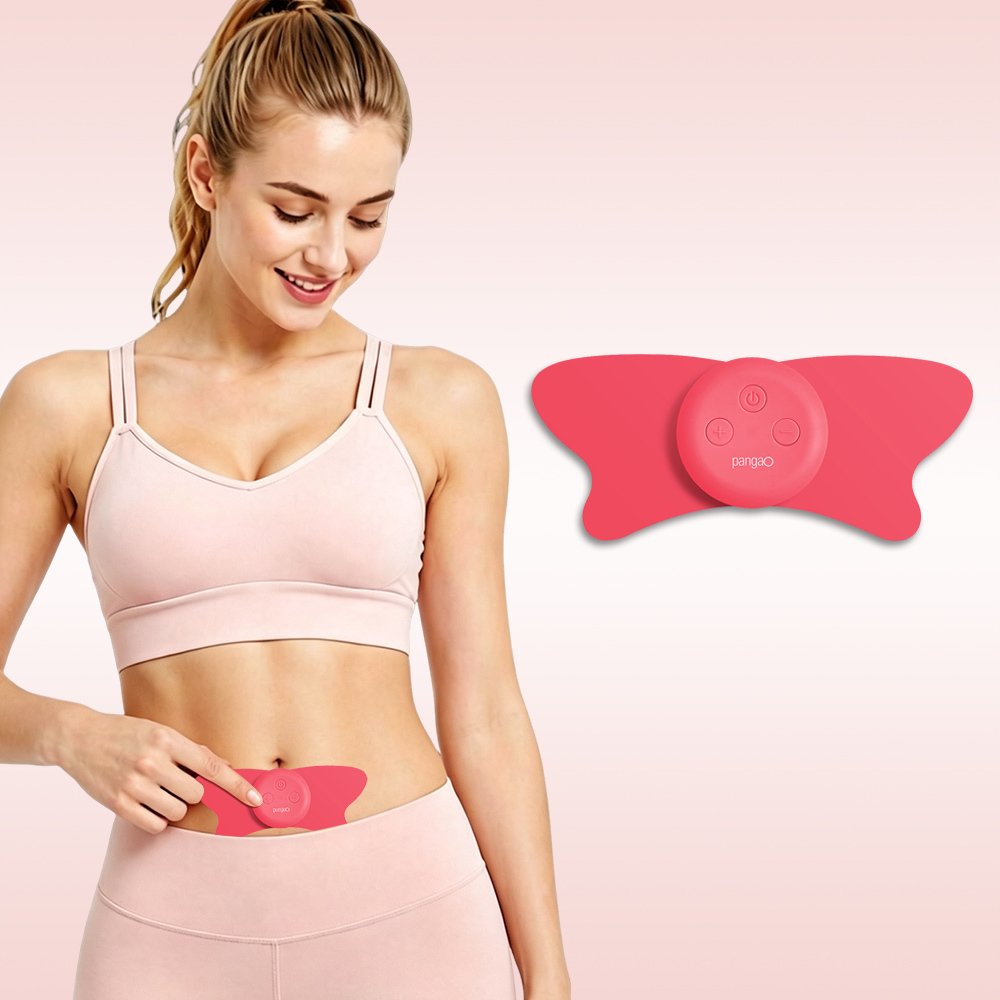
Period cramps can be more than a minor nuisance — for many people they interfere with school, work, and daily life. Alongside heating pads and pain medicine, a small gadget called a TENS device has become a popular, drug-free way to ease menstrual pain. Here’s what it is, how it works, and what the science says.
What is a TENS device?
TENS stands for transcutaneous electrical nerve stimulation. It’s a small, battery-powered unit connected to sticky pads (electrodes) that you place on your skin — usually over your lower belly or lower back, right where the cramps hurt. The device sends gentle electrical pulses through the skin. Most people feel a mild tingling, buzzing, or “pins and needles” sensation, not pain.
Many modern versions are small, discreet, and wearable under clothing, so you can use them while going about your day.
How does it help with cramps?
Menstrual cramps happen when the uterus tightens and squeezes, partly cutting off its own blood supply, which causes that deep aching pain. TENS is thought to help in a few ways:
- Blocking pain signals before they reach the brain — sometimes described as “closing the gate” on pain.
- Encouraging the body to release its own natural painkillers (endorphins).
- Easing the muscle tension and reduced blood flow in the uterus that drive the cramping.
Does it actually work?
The research is encouraging, though not perfect. A large 2024 Cochrane review (the gold standard for summarizing medical evidence) found that both high-frequency and low-frequency TENS may reduce period pain compared with no treatment or a fake (“sham”) device. The authors rated this as low-certainty evidence, mainly because the studies were small and varied in quality.
More recent research points the same direction. A 2026 analysis combining 13 trials found TENS significantly lowered pain scores, made pain relief last longer, and reduced how much ibuprofen women needed. A 2026 placebo-controlled study also found TENS worked better than a placebo device for short-term menstrual pain.
Bottom line: TENS is unlikely to be a magic cure, but for many people it offers real, meaningful relief — and it can be combined with other approaches.
How is it typically used?
There’s no single “correct” setting, and studies have used a wide range. Common approaches include:
- Placement: sticky pads over the lower abdomen and/or lower back where cramps are strongest.
- Session length: often about 20–30 minutes, repeated as needed during the painful days of your period.
- Frequency setting: “high-frequency” (more than 50 Hz) is the most studied, but lower settings have also helped.
- Intensity: turn it up until you feel a strong but comfortable tingling — never to the point of pain.
Follow the instructions that come with your specific device, since models differ.
Is it safe?
TENS has a strong safety record. The most common side effect is mild skin irritation or redness where the pads stick. Serious problems are rare.
That said, a few people should check with a clinician first, including those who:
- Have a pacemaker or other implanted electrical device.
- Are pregnant (unless a clinician advises otherwise).
- Have epilepsy or a heart rhythm condition.
- Want to place pads over broken skin, numb areas, or the front of the neck.
How does it compare to other options?
TENS can be used on its own or alongside other treatments like heating pads, exercise, and pain relievers such as ibuprofen. It’s a good option to consider if you can’t take anti-inflammatory medicines, don’t tolerate them well, or simply prefer a drug-free approach. Many people find combining methods works best.
When to see a doctor
Cramps are common, but some pain deserves a medical check-up. Make an appointment if you have:
- Pain that is getting worse over time or is severe enough to regularly keep you from normal activities.
- Cramps that started years after your first period, rather than in your teens.
- Heavy or irregular bleeding, pain during sex, or pain that isn’t tied to your cycle.
- Trouble getting pregnant.
These can be signs of an underlying condition such as endometriosis that needs specific treatment.
The takeaway
TENS is a safe, drug-free, and reasonably effective tool for easing period cramps for many people. The evidence suggests it genuinely helps, even if it won’t work equally well for everyone. It’s most useful as one part of a toolkit — and never a substitute for getting checked out when something feels off.
This post is for general education and is not a substitute for personal medical advice. Talk with your healthcare provider about what is right for you.
