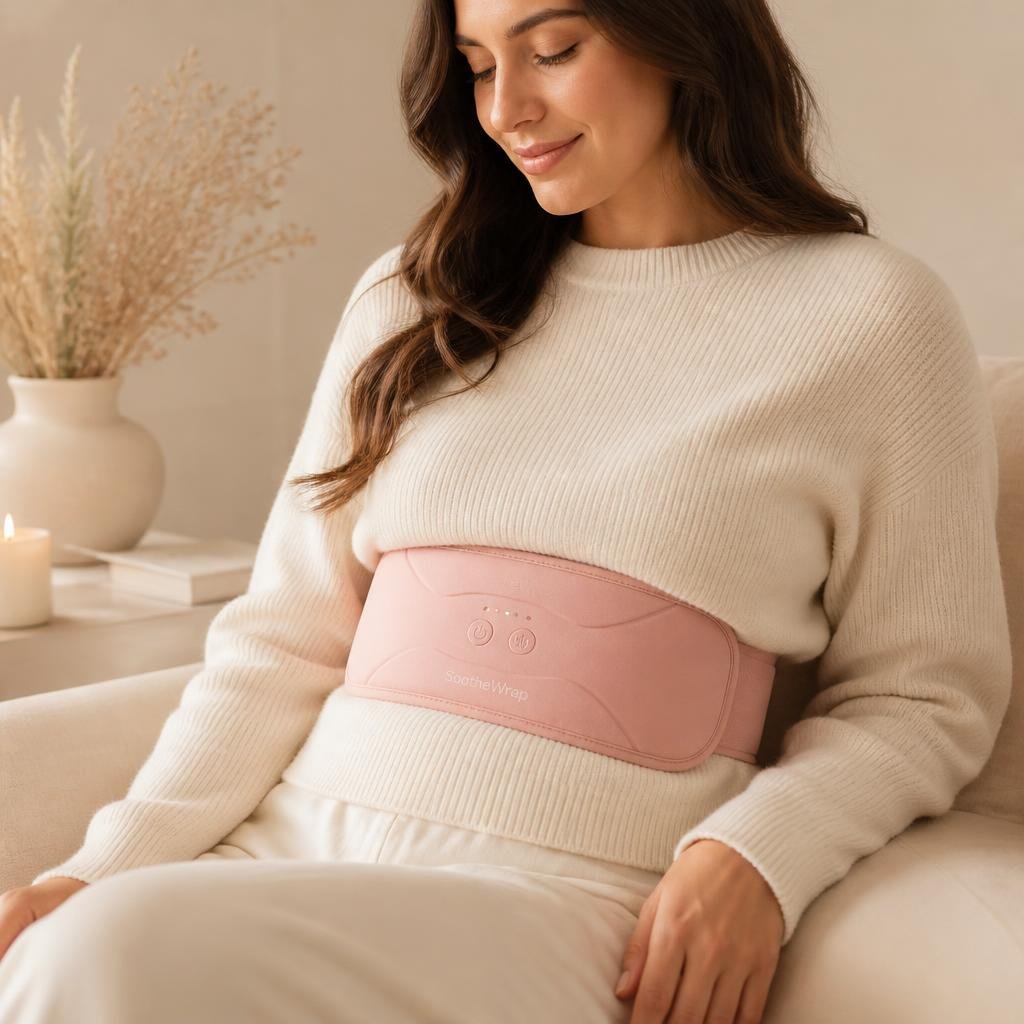
If you get period cramps, you have probably reached for a heating pad or hot water bottle at some point. It turns out this simple, low-cost remedy is backed by real science. Here is what the research says and how to use heat safely and effectively.
Why do period cramps happen?
During your period, your uterus (womb) squeezes to help shed its lining. These squeezing contractions are driven by natural chemicals called prostaglandins. When the muscle tightens, it can briefly cut off its own blood supply — a bit like a muscle cramp anywhere else in your body — and that is what you feel as pain. This kind of period pain, without any underlying disease, is called primary dysmenorrhea, and it is extremely common.
How does heat help?
Applying warmth to your lower belly helps in a few ways:
- Relaxes the muscle. Heat eases the tension in the uterine and abdominal muscles, calming the cramping spasms.
- Improves blood flow. Warmth widens blood vessels and increases circulation to the area, which reduces the “congestion” that adds to the ache.
- Distracts your pain nerves. The warm sensation competes with pain signals, so your brain registers less discomfort.
Surface heat around 104–113°F (40–45°C) warms the tissue just under the skin, which is enough to bring relief.
What does the research show?
The evidence is genuinely encouraging:
- Heat works better than no treatment. Reviews of randomized trials consistently show that heat therapy meaningfully lowers period pain compared with doing nothing.
- Heat works about as well as painkillers. In a well-known randomized study, a continuous low-level heat patch relieved menstrual pain as effectively as 400 mg of ibuprofen taken three times a day. A large 2025 review of 57 trials reached a similar conclusion — heat gave pain relief comparable to, or slightly better than, NSAID pain medicines.
- Faster relief when combined with ibuprofen. Using a heat patch together with ibuprofen did not lower the final pain score much more than ibuprofen alone, but it made the relief kick in noticeably sooner.
- Fewer side effects than pills. Because heat is applied to the skin, it avoids the stomach upset, headaches, and drowsiness that pain medicines can cause. Reviews found heat had a better safety profile than NSAIDs.
One honest caveat: many of these studies were small, so scientists say larger trials would strengthen the case. Still, given how cheap, safe, and easy heat is, it is a very reasonable first thing to try.
How to use a heating pad safely
- Where: Place it on your lower abdomen, or on your lower back if that is where you feel it.
- How warm: Use a comfortably warm setting, not scalding. Aim for cozy warmth, not burning heat.
- How long: Wearable low-level heat patches can be worn for several hours; electric pads and hot water bottles are usually used for 15–20 minutes at a time.
- Protect your skin: Always keep a layer of clothing or a cloth between the heat source and bare skin to prevent burns.
- Don’t fall asleep on it: Avoid dozing off with an electric pad or leaving high heat on the same spot too long.
- Extra caution: Be especially careful if you have reduced skin sensation (for example, from diabetes or nerve problems), since you may not feel a burn developing.
Other things that help
Heat pairs well with other simple measures: regular exercise, over-the-counter anti-inflammatory painkillers (like ibuprofen or naproxen) started at the first sign of cramps, and for some people, hormonal birth control. These can all be combined.
When to see a doctor
Heating pads are great for ordinary cramps, but check in with a healthcare provider if you notice:
- Pain that is getting steadily worse over time
- Cramps that started years after your periods began
- Pain on only one side, or pain outside your period
- Very heavy or abnormal bleeding
- Pain that isn’t controlled by heat plus over-the-counter medicine
- Trouble getting pregnant
These can be signs of a condition like endometriosis or fibroids that needs a proper evaluation.
The bottom line
A heating pad is a cheap, safe, and surprisingly effective way to ease period cramps — working about as well as common painkillers for many people, with fewer side effects. It is an easy first step, and it works even better when combined with other treatments. If your pain is severe or not improving, talk to your doctor.
This post is for general education and is not a substitute for personal medical advice. Talk with your healthcare provider about what is right for you.
